Summer represents lightness, socializing – and for many, a cold beer or a glass of wine. However, for people with alcohol addiction, this is exactly when a particularly critical phase begins. Alcohol is everywhere – at barbecues, gas stations, or in supermarkets.
For abstinent patients, this means daily addiction pressure. This is where VR therapy for addiction comes in: In realistic, interactive scenarios, they train handling confrontations confidently – and practice consciously choosing alcohol-free alternatives.
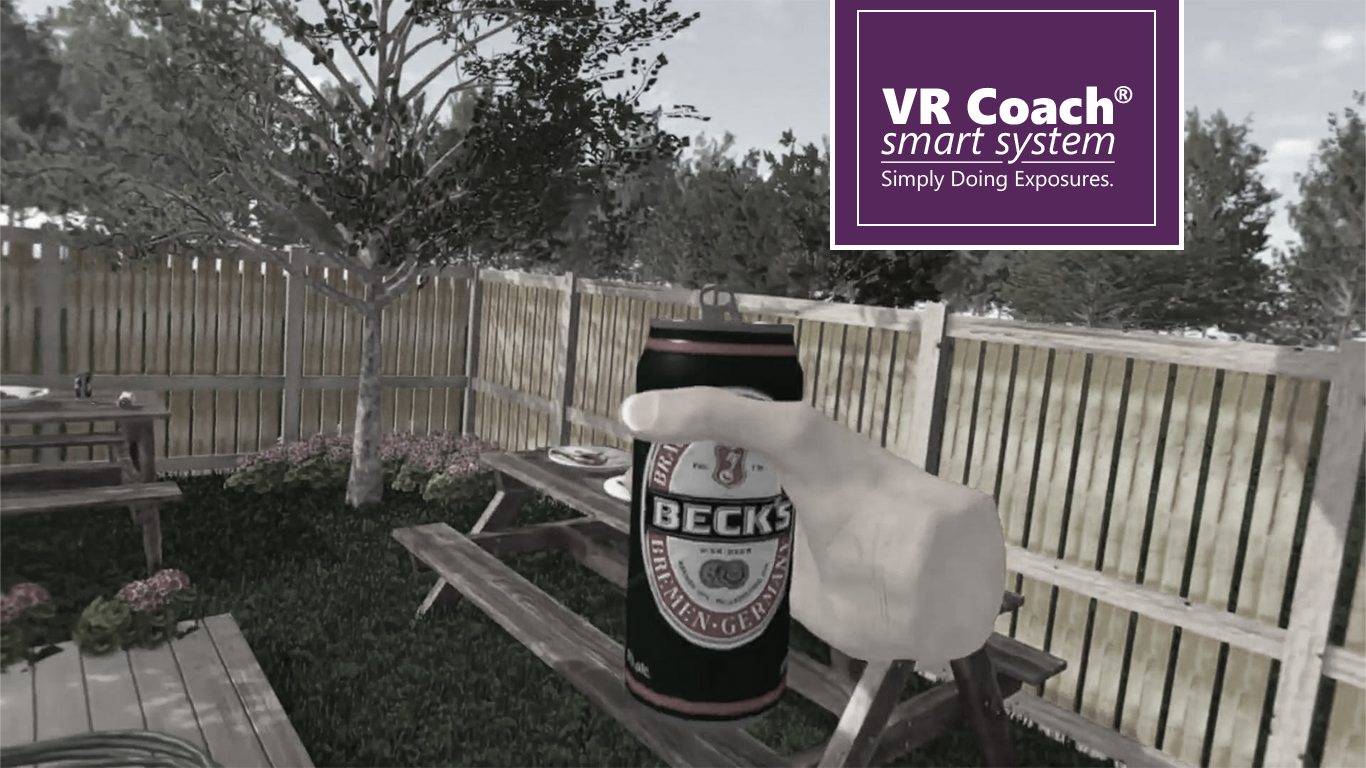
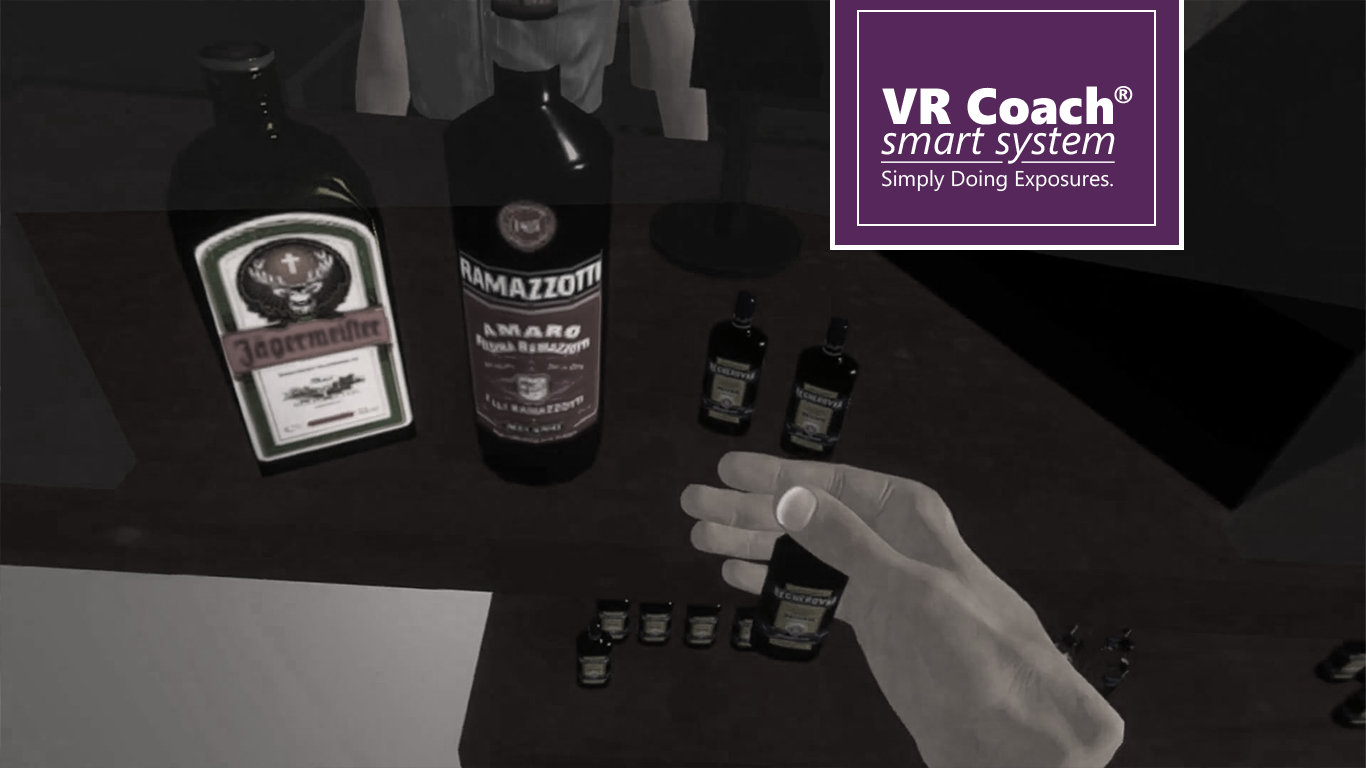
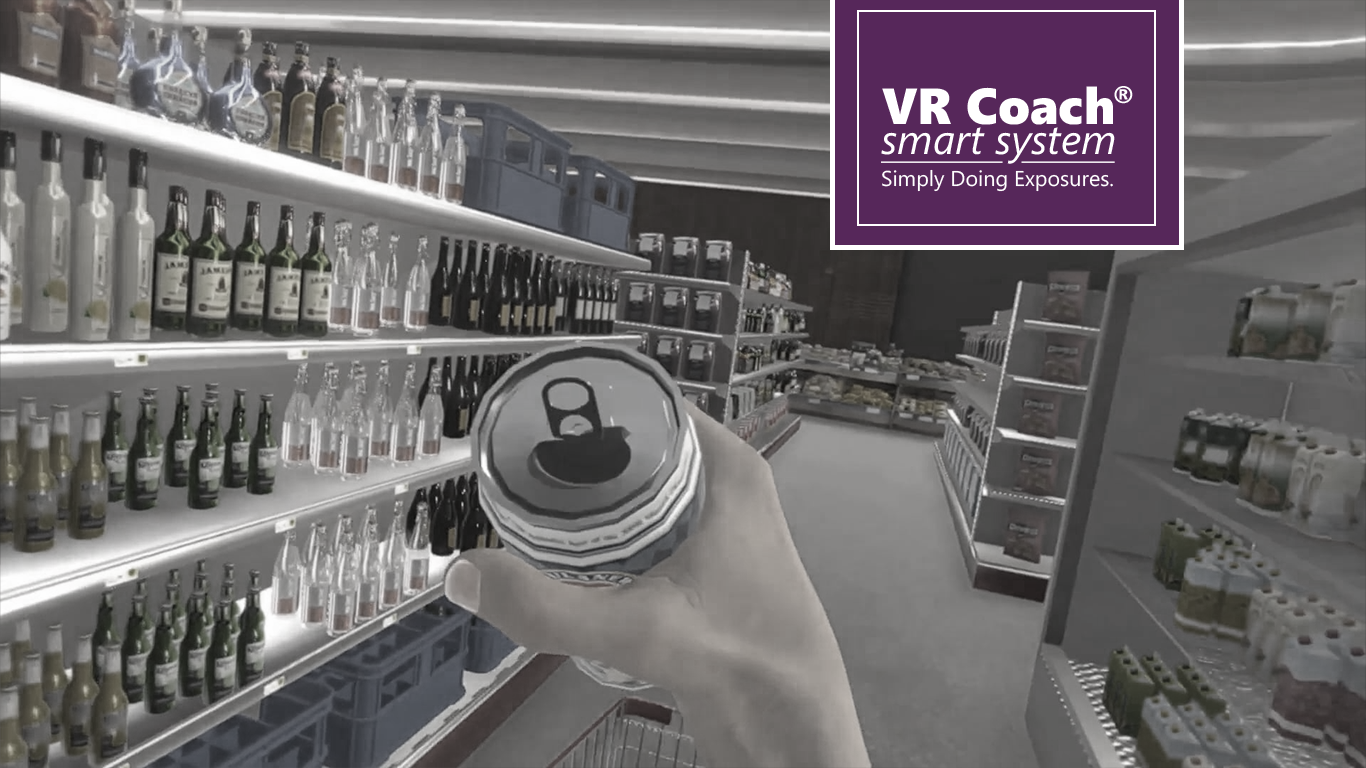
Whether at a barbecue with friends, on the way home through the gas station, or in the supermarket after work – many people naturally reach for alcohol in these moments. For addiction patients, these environments are highly risky.
In Germany, Austria, and Switzerland, alcohol consumption is deeply ingrained in society. The consumption rates are above the EU average. Those who abstain are often critically questioned – which makes permanent behavior changes significantly more difficult.
After successful detoxification, many patients lack the practice to stay strong in difficult situations. VR therapy for alcohol addiction can bridge this gap by making real-life scenarios repeatable in a safe environment.
VR therapy for alcohol addiction combines:
Cue Exposure Therapy (CET): Confrontation with triggering stimuli
Cognitive Behavioral Therapy (CBT): Changing dysfunctional thought patterns
Resource activation: Strengthening positive alternatives deliberately
Unlike traditional role-playing, VR therapy for addiction offers an immersive, realistic experience. Patients see, hear, and act in virtual everyday environments – without real risks.
VR therapy for addiction allows patients to experience critical everyday situations in a realistic way within a safe environment and actively test new behavioral strategies. Whether in the supermarket, at the gas station, or during a barbecue – in all scenarios, the goal is to recognize addiction pressure, avoid alcohol intentionally, and consciously choose alcohol-free alternatives.
In the following videos, you will get a direct insight into the three VR scenarios.
In all scenarios, the focus is on actively training new ways of acting, not just saying “no.” Experience shows that patients gain self-confidence when they realize they can participate in social life without alcohol.
Those who behave confidently in critical situations – even virtually – experience self-efficacy. The feeling of “I can do this” becomes an important protective factor against relapses.
Meta-analyses & reviews: Show significant craving reduction through VR exposure
Pilot projects in Germany and Europe: Confirm high acceptance among patients and good integration into clinical workflows
Individual control and realistic scenarios are considered key success factors
The studies suggest that VR therapy is an effective complement to traditional addiction treatment – especially for practices and clinics looking for everyday, interactive approaches.
Die dargestellten Szenarien sind Teil eines breiten Anwendungsfelds — einen Überblick über weitere Ansätze der VR-Therapie bei Sucht finden Sie in unserem Themenschwerpunkt.
Whether grilling, at the gas station, or in the supermarket: VR therapy for addiction creates safe spaces for practicing, reflecting, and strengthening. The interactive scenarios of VR Coach help patients consciously take new paths – and provide therapists with a modern, flexible form of relapse prevention.

No results found.
Our users consistently confirm the very high quality and realism of the 3D graphics. Unfortunately, this quality cannot be fully conveyed through simple images on the website.
The screenshots shown are intended only to illustrate and demonstrate the content.


Wir nehmen demnächst mit Ihnen Kontakt auf.
Ihr VR Coach-Team
We will be happy to get in touch with you soon!
Your VR Coach team
Would you also like to test our content for depressions, eating disorders and compulsions free of charge?