VR Therapy for PTSD: Controlled, Gradual Trauma Exposure
A Complement to Conventional Trauma Therapy

The Therapeutic Challenge: Finding the Right Level of Exposure
A sound, an image, a smell — and the nervous system reacts as though the traumatic situation were still happening. Post-traumatic stress disorder is not a disorder of memory, but of processing: traumatic experiences are stored in fragmented form, and in that moment, the brain is unable to distinguish between a memory and the present.
Exposure therapy is evidence-based, yet difficult to control in clinical practice. Excessive arousal overwhelms the patient’s regulatory system: patients may dissociate, mentally withdraw from the situation or discontinue the exposure before processing can begin. Insufficient arousal, on the other hand, does not generate adequate engagement with the traumatic material.
The therapeutically effective range — known as the window of tolerance — is often narrow in people with PTSD. Remaining within this window requires the ability to regulate intensity in real time.
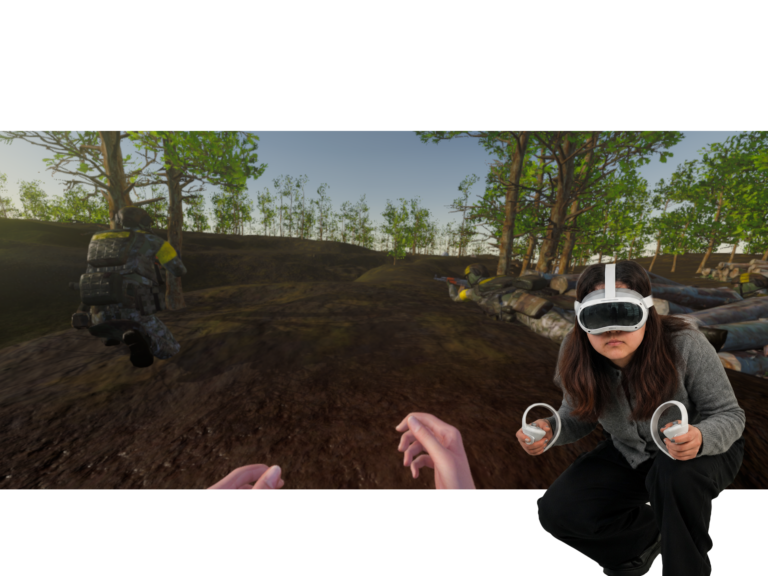
Exposure Within the Window of Tolerance
In the VR Coach smartsystem, specific trauma-related scenarios can be selected as required. Therapists control the exposure from a laptop and can adjust or interrupt its intensity, duration and sequence at any time — without leaving the therapeutic setting.
The scenario remains active for as long as it is therapeutically appropriate. It can be stopped when arousal becomes too intense and restarted once the patient is sufficiently regulated. This prevents uncontrolled flooding and instead enables repeated, carefully dosed engagement with traumatic material — under the therapist’s direct guidance during the session.
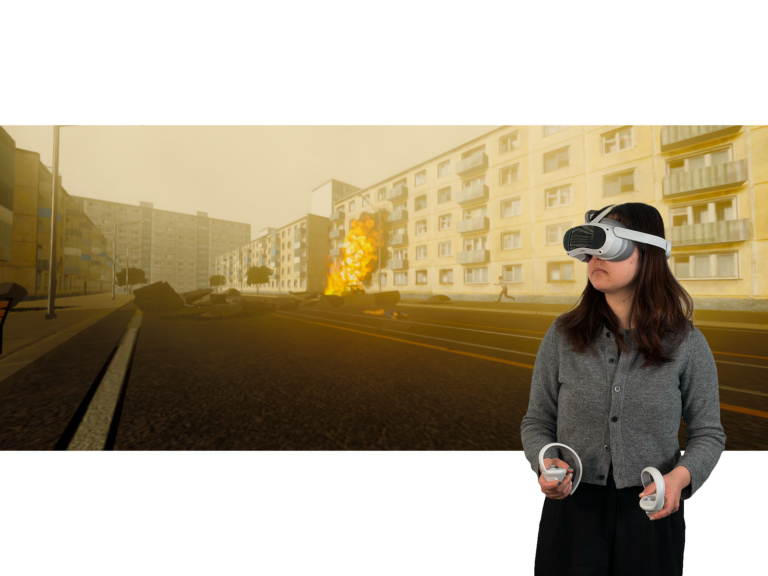
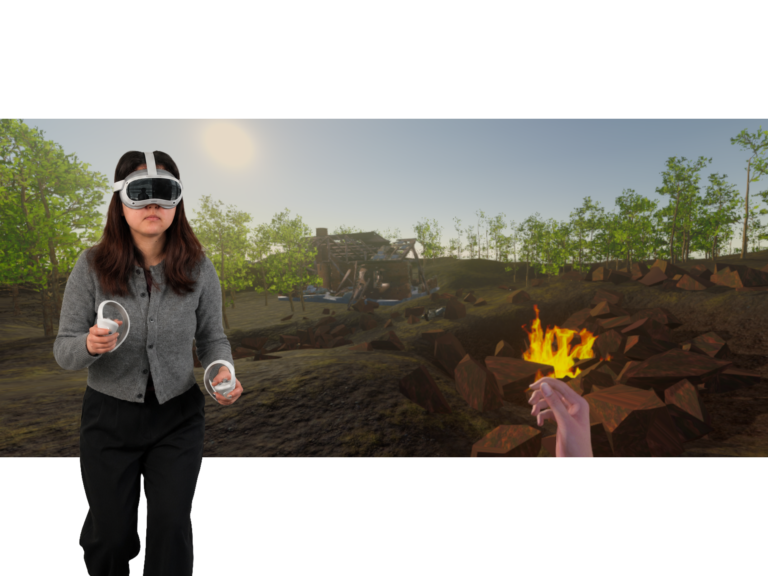
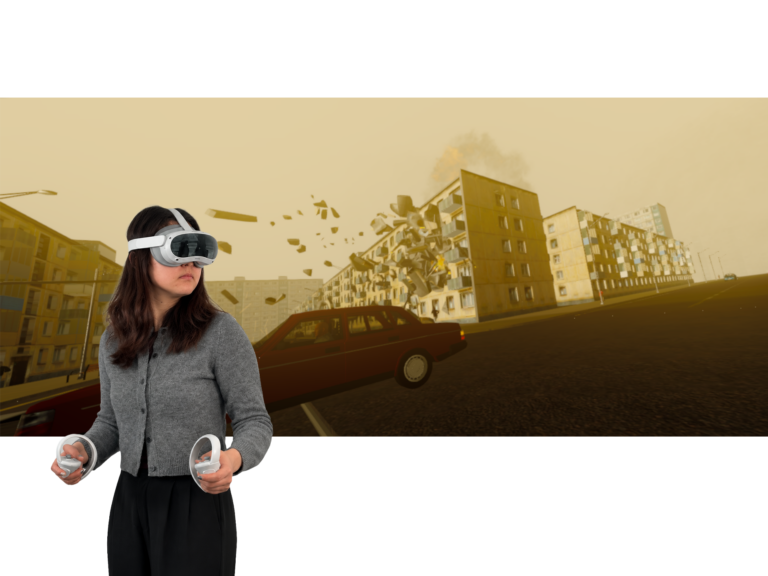
Scenarios Included in the PTSD Module
The module includes two clinically developed scenarios for different trauma contexts:
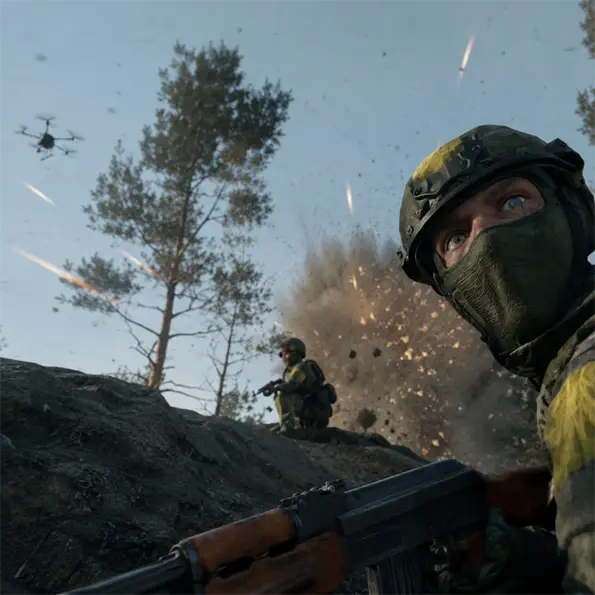
War Scenario – Urban Combat Environment
A realistic representation of a civilian conflict zone, developed for people who have experienced war as civilians, including refugees, humanitarian aid workers and journalists.
Drone Scenario – Invisible Threat
A military scenario presented from the perspective of drone operators, developed for military personnel with combat-related PTSD.
A detailed description of both scenarios and their potential therapeutic applications is available in the accompanying specialist article.
Making Physiological Arousal Visible
PTSD is a particularly physical disorder. Hyperarousal, an exaggerated startle response and physiological reactions to trauma-related stimuli are core symptoms, but they cannot be directly observed through conversation alone. Virtual reality exposure therapy, or VRET, combines controllable exposure to stimuli with simultaneous biofeedback, making both accessible at the same time.
Heart rate, skin conductance and other parameters show in real time how the nervous system responds to the scenario — when arousal increases and when it begins to subside. These data support regulation work during the session and enable an informed evaluation during the follow-up discussion. Patients frequently experience a clinically significant corrective insight: for the first time, the discrepancy between their subjectively perceived threat and their actual physiological response becomes visible.
Therapeutic Work During the Session
Gradual Engagement With Traumatic Material
Gradually approaching trauma-related content is a central therapeutic mechanism in the treatment of PTSD. Within the scenario, exposure begins at a lower level of arousal and is gradually intensified in accordance with the patient’s current capacity for regulation.
Therapists observe when the patient begins to leave the window of tolerance and can intervene accordingly — through verbal guidance, a reduction in the intensity of the scenario or an interruption of the exposure. This level of control cannot be achieved in real-world environments.
Recognising and Preventing Dissociation
Dissociation presents a specific risk in trauma therapy: patients may mentally withdraw from the situation before processing can begin. Because physiological responses can be observed directly and exposure can be interrupted immediately, this risk is considerably easier to manage during VR-assisted exposure than through imagination-based exposure or conversation alone.
By controlling the scenario, therapists can repeatedly guide the patient’s arousal back into the therapeutically effective range rather than having to end the session.
Repetition Across Multiple Sessions
Therapeutic effectiveness does not result from a single exposure, but from repeated engagement under controlled conditions. The scenario can be reopened during every session, with an adjusted intensity, a different starting point or a longer duration.
Progress and improvements in the patient’s ability to regulate arousal can be compared across sessions and incorporated into the treatment plan.
Benefits of VR Therapy for PTSD
Trauma exposure in the treatment of post-traumatic stress disorder requires a degree of precision and control that cannot be achieved in natural environments. Scenarios are available at any time, can be regulated in intensity and can be reproduced consistently across multiple sessions.
Biofeedback makes physiological responses visible and supports both regulation work during the session and reflection during the follow-up discussion. The risk of dissociation can be directly observed and influenced — a significant difference compared with purely imagination-based exposure.
VR therapy is also used for phobias, obsessive-compulsive disorders, and addiction.

Content and possible applications
An overview of all scenarios and therapeutic applications can be found in the catalog. Many institutions first use it for orientation and then discuss together how it can be integrated into their treatment concept.
Order your catalog with price list now – without obligation
Inside you will learn:
- Which content the individual modules offer
- How you can test the smartsystem
- Which VR headsets are compatible
- All hardware and software prices
After submitting the form, we will send you the catalog and price list promptly by email.

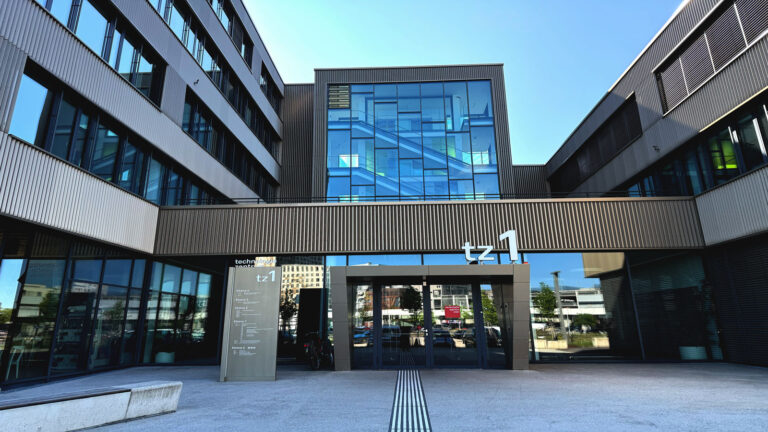
Or visit our showroom and try the module on site.